Solana is among the fastest networks in the cryptocurrency ecosystem, and its foundation has taken a major step towards quantum computer preparations — one of the biggest threats to the future “The most important thing that we can do is prepare for this next generation.”
With the cryptography firm Project Eleven, the network started to test quantum-resistant signature systems. However, early results showed that this technology is a high performance cost.
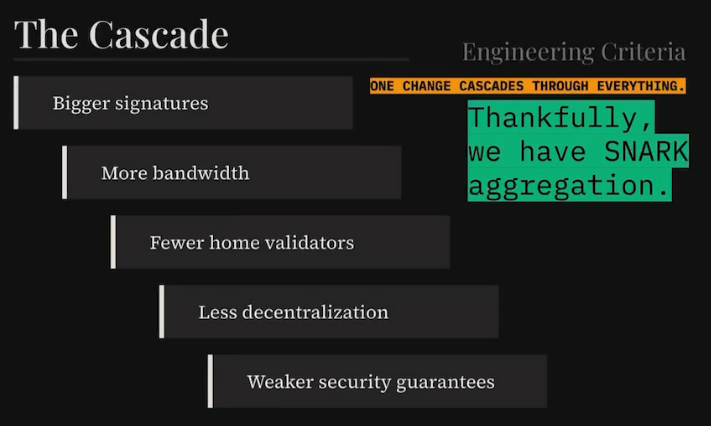
Tests have shown that the new quantum-resistant digital signatures are about 20 to 40 times larger than those in existing systems. The network’s processing capacity is directly affected by this, as it has been criticized for its ability to process the word. It was reported that the Solana network running this new cryptography is about 90% slower in the test environment than it had been previously described as being around 90% less. This raises a critical design problem for Solana, which is built on high speed and low latency security or performance?
This has long been a theoretical risk for quantum computers to disrupt current encryption systems. Yet, recent Google and academic research projects published new studies suggest this threat may be closer than we thought it might be. This has led to more rapid debate on the subject of post-quantum cryptography (especially in big networks like Bitcoin, Ethereum and other large digital exchanges).
Related News
Michael Saylor: “Bitcoin Has Won; the Four-Year Cycle Is Over”
Nevertheless, Solana has taken a proactive approach in this area and brought theoretical discussions to’real-world testing environment’. Alex Pruden’s Project Eleven team modelled and tested the network if its current cryptography was replaced with quantum-resistant systems. In addition to demonstrating these systems work, the goal was not just for showing that there were problems in scaling.
Test results mean that there are serious risks not only on performance side but also in the structural characteristics of the network. A larger surface area for quantum attacks is created in Solana, where the wallet addresses are directly derived from public keys. Pruden said this theoretically means that all wallets on the network could be targeted. He explains this risk by saying, “A quantum computer could pick any wallet and try to decipher its private key. Paraphrast.
*This is not investment advice.
Thanks for reading Quantum-Resistant Transaction Tests Have Begun on Solana: But There’s a Major Problem